- 4030 13th Street St. Cloud, FL 34769
Teeth that are damaged, weakened, or missing rarely stay that way without affecting other areas. A single compromised tooth can change how pressure is distributed, shift surrounding teeth, and gradually impact daily function. These changes are often subtle at first, but they tend to build over time if left unaddressed.
Restorative dentistry is about bringing things back to a point where your teeth feel reliable again. At Legacy Dental Arts, that means rebuilding structure with solutions like crowns, dental implants, or dentures in a way that supports how your bite actually functions. For patients in St. Cloud, FL, the focus is simple—restore strength, improve consistency, and make everyday use feel normal again.
Dental crowns restore damaged teeth by covering the entire structure and protecting it from further breakdown.
Teeth that have been treated multiple times often reach a point where smaller restorations are no longer effective. Large fillings, recurring decay, or structural cracks can leave the remaining tooth vulnerable under pressure. At this stage, continuing to repair isolated areas may increase the risk of a sudden fracture. A crown provides full coverage, allowing the tooth to function as a single reinforced unit. This approach reduces stress on weakened areas and creates a more predictable long-term outcome compared to repeated temporary fixes.
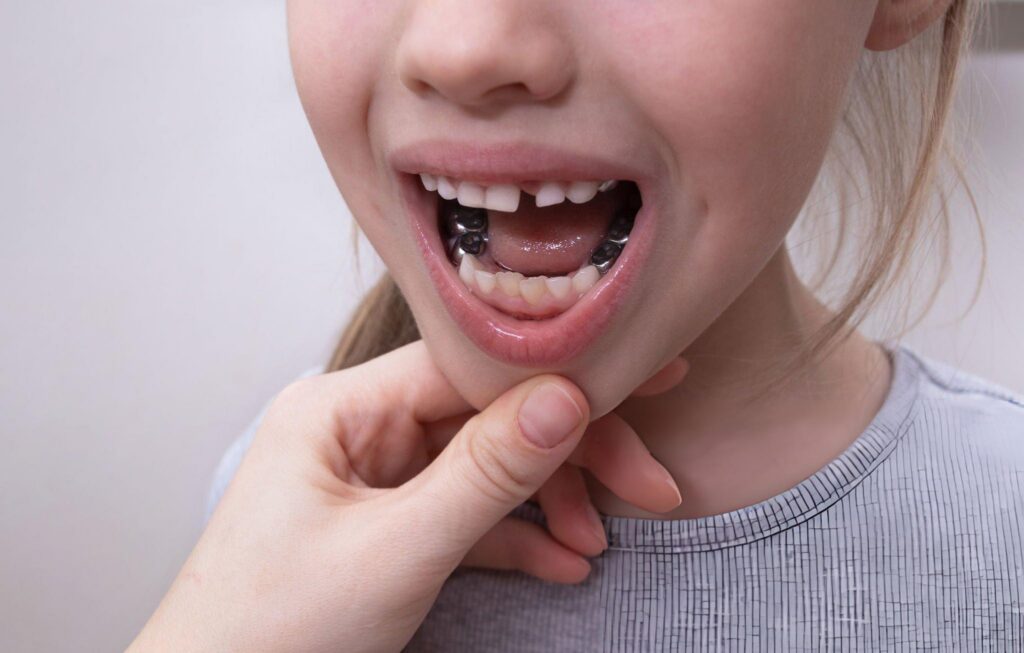
A dental crown works by distributing pressure evenly across the entire surface of the tooth instead of concentrating force on compromised sections. This allows patients to chew without hesitation and reduces the risk of further structural damage. The restoration is designed to match surrounding teeth while restoring full function, which means the tooth no longer feels like a weak point during daily use. Patients often notice an immediate difference in how stable their bite feels once the crown is in place.
A compromised tooth does not remain stable under normal use. Over time, pressure can cause the structure to crack further, sometimes without warning. Once the damage extends deeper, treatment options may become limited or more invasive. Acting early allows the tooth to be restored under controlled conditions instead of reacting to a sudden failure. This not only preserves more natural structure but also reduces the likelihood of needing more extensive treatment later.
Patients in St. Cloud, FL often recognize early indicators before a tooth fails completely. These signs should not be ignored:
Dental implants replace missing teeth by restoring both function and structural stability.
A missing tooth creates more than a visible gap. The surrounding teeth begin to shift into the space, and the balance of your bite changes. This can lead to uneven pressure during chewing and increase strain on certain areas. Over time, this imbalance affects both comfort and long-term oral health. Replacing a missing tooth helps maintain proper alignment and prevents the gradual changes that occur when the space is left untreated.
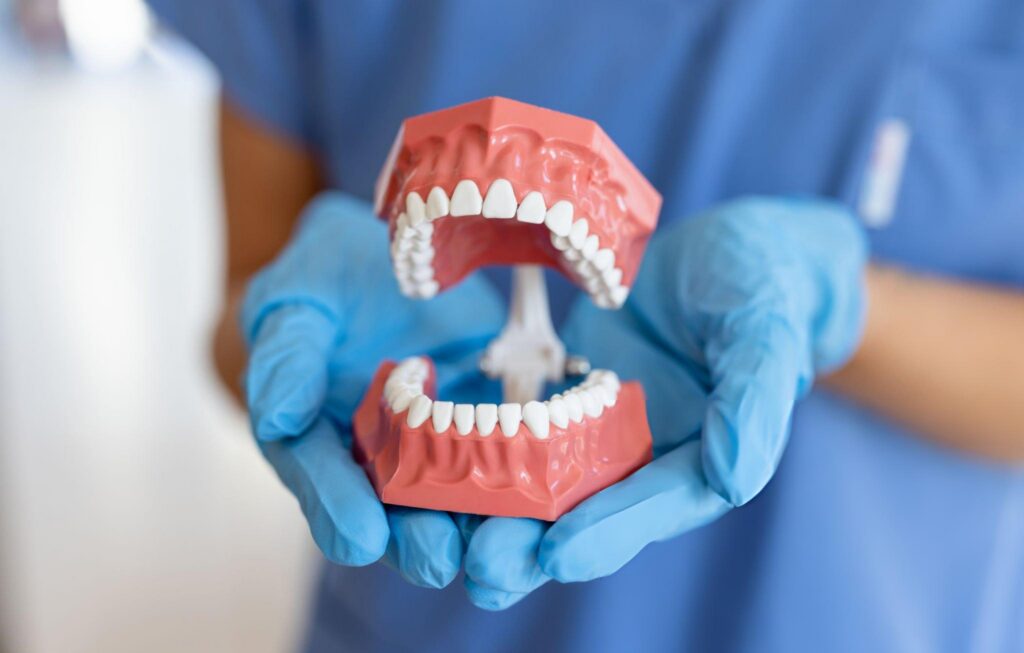
The longer a tooth remains missing, the more surrounding structures begin to adjust. Teeth shift, bite alignment changes, and the overall condition becomes less predictable. This can make treatment more complex than it needs to be. Addressing the issue earlier helps preserve existing alignment and allows for a more straightforward and controlled restoration process.
Dental implants are designed to replace the root structure of a missing tooth, allowing the restoration to function independently. This creates a stable foundation that does not rely on neighboring teeth for support. As a result, patients experience a more natural biting pattern and improved consistency when chewing. Unlike temporary solutions, implants are intended to integrate with the surrounding structure, providing long-term reliability without shifting or movement.
Patients in St. Cloud, FL often consider implants when they want a solution that feels stable and long-lasting. Common reasons include:
These situations typically indicate that a more permanent approach is needed to restore both function and confidence.
Restore missing teeth with a stable, long-term solution at Legacy Dental Arts.
Dentures replace multiple missing teeth and restore the ability to function comfortably in daily life.
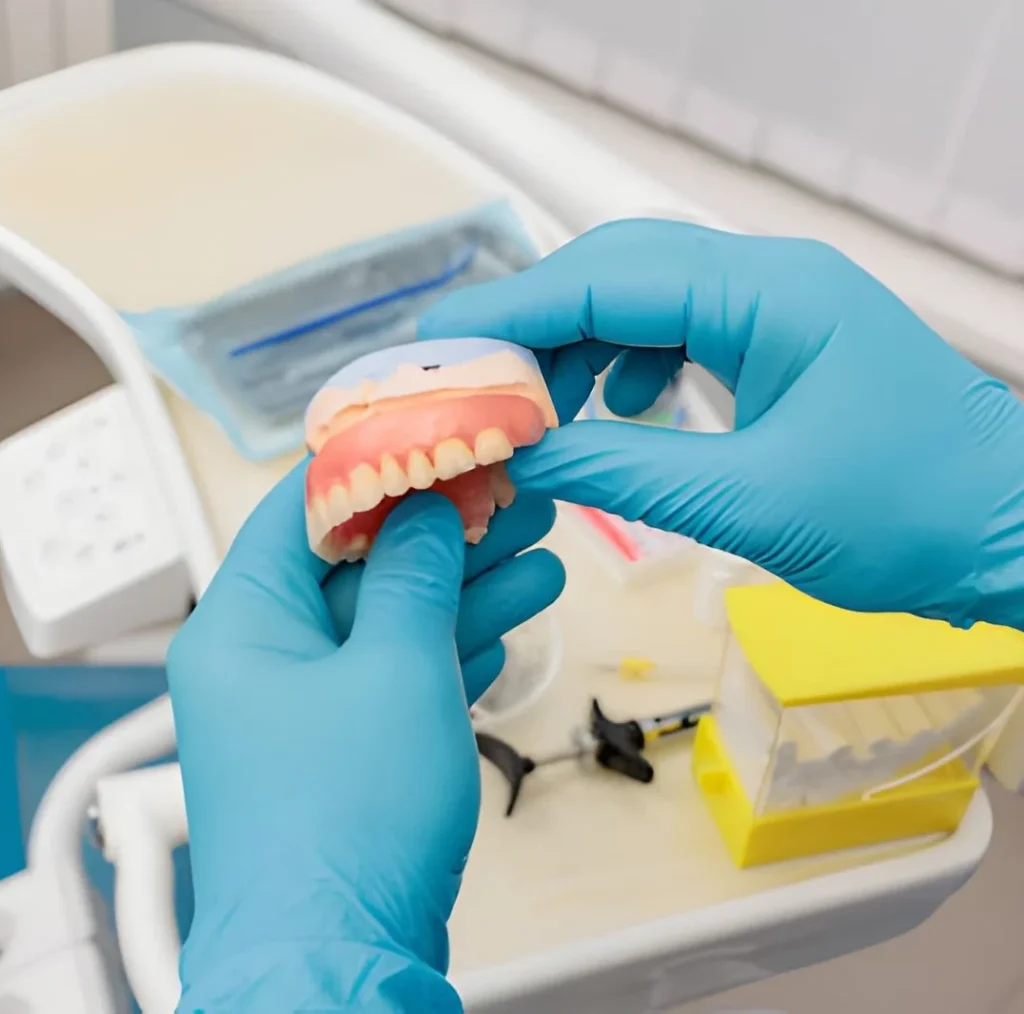
As multiple teeth are lost, the effects become more noticeable. Eating becomes inconsistent, certain foods are avoided, and speech may feel different. These changes develop gradually but can significantly impact daily routines. Dentures provide a structured way to restore function, allowing patients to regain consistency in how they eat and speak while maintaining overall balance.
Full dentures are designed to replace an entire set of teeth, while partial dentures work alongside remaining teeth to fill gaps. Each option is customized to fit securely and distribute pressure evenly. The goal is to restore function without placing unnecessary strain on existing structures. Choosing the right type depends on how many teeth are missing and how the remaining teeth are positioned.
Patients in St. Cloud, FL typically look for dentures that provide both stability and comfort during daily use. Common expectations include:
Adjusting to dentures takes time, but consistent use helps improve comfort and function. Follow-up visits allow refinements to be made as needed, ensuring a better fit over time. With proper care and regular monitoring, dentures can provide a reliable solution that supports daily activities without constant adjustment.
Waiting allows small structural issues to turn into more complex problems that are harder to control. Restorative treatment works best when it is planned early and executed with precision. Patients in St. Cloud, FL who take action sooner often avoid additional complications and achieve more stable results. Schedule your consultation with Legacy Dental Arts and rebuild your smile with confidence.